Free Zone Business Setup in UAE

Choose Your Free Zone
Each emirate offers unique free zone packages. Select one to see detailed comparisons.
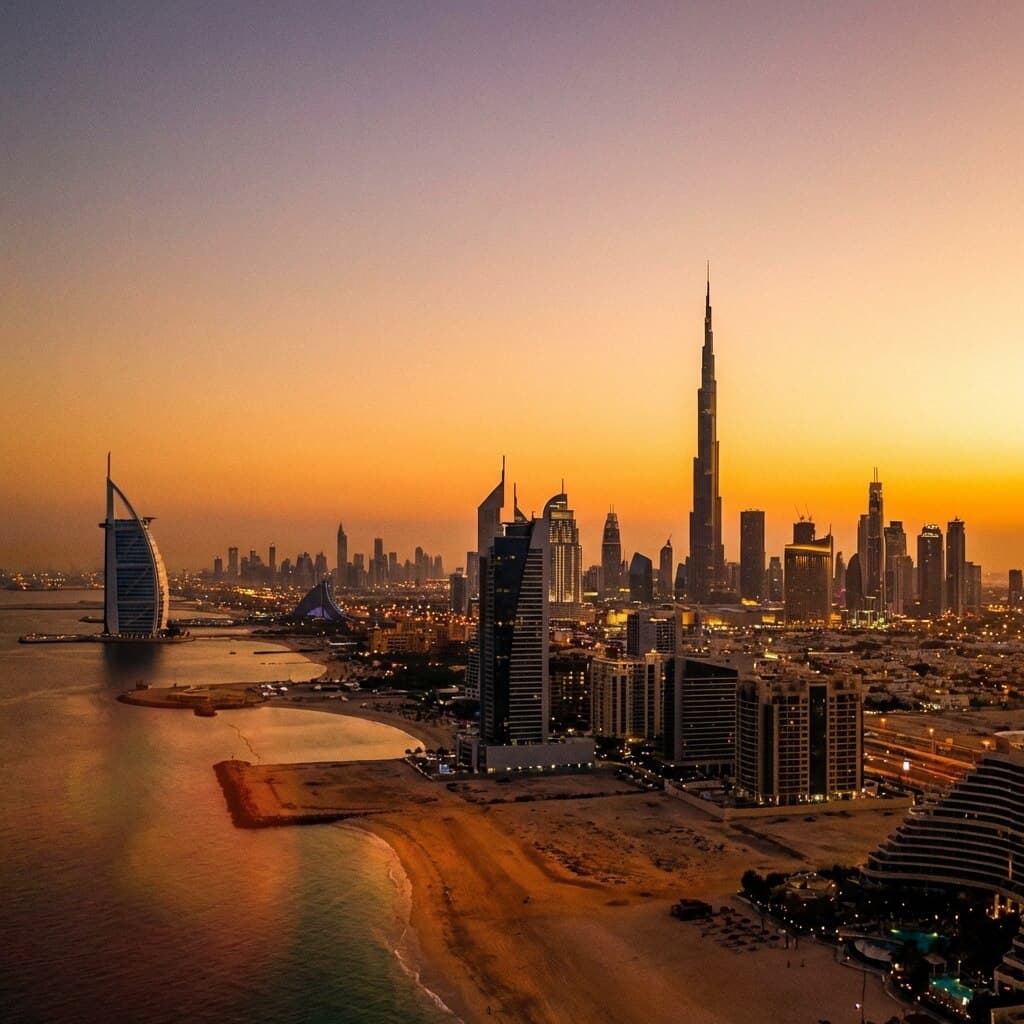
Dubai Free Zones
DMCC, DIFC, IFZA, JAFZA, DSO, Dubai Media City, and more

Abu Dhabi Free Zones
ADGM, Masdar City, KEZAD, ADAFZ, twofour54

Sharjah Free Zones
SHAMS, SAIF Zone, Hamriyah Free Zone, SRTIP, SFZA
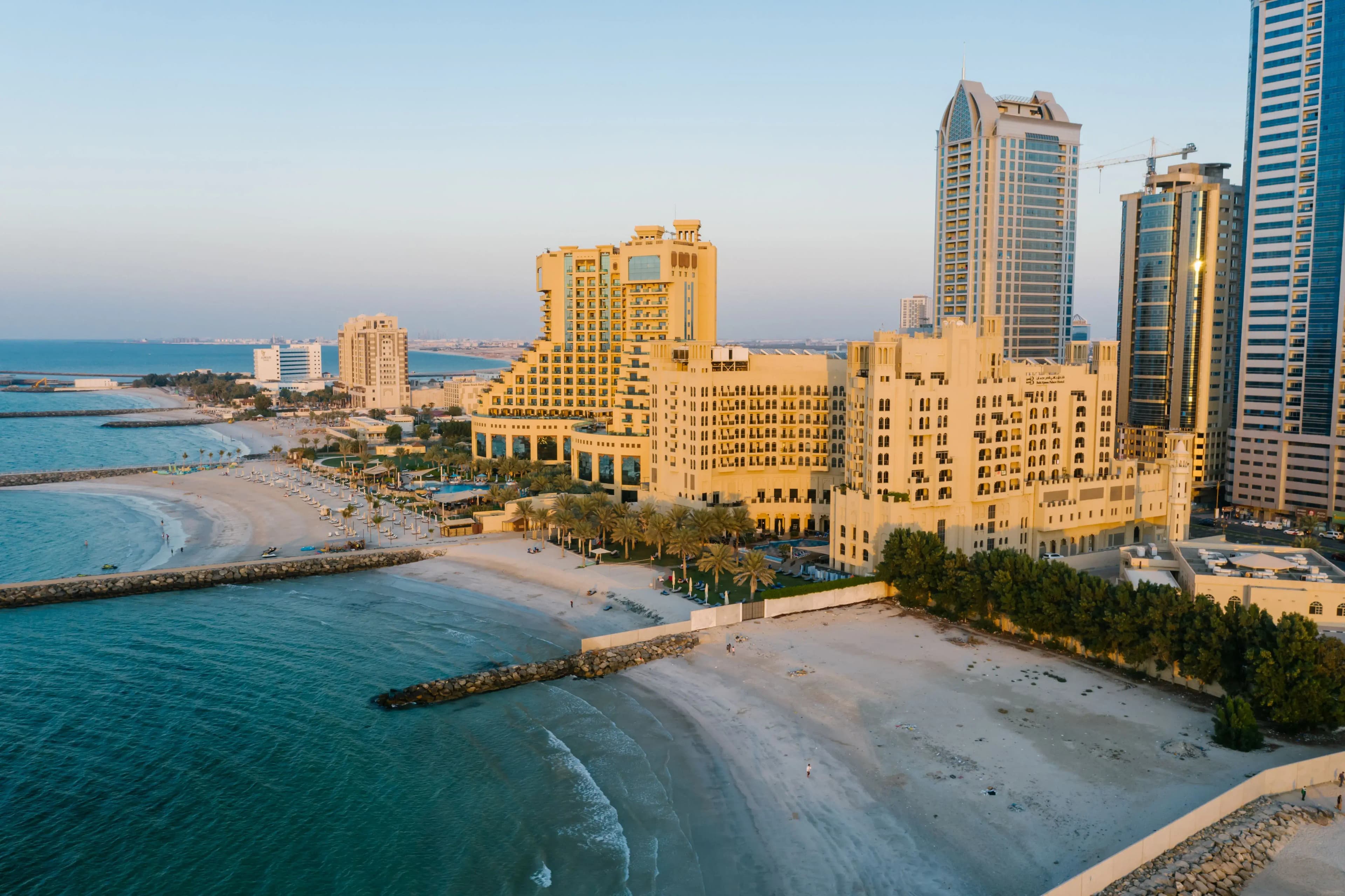
Ajman Free Zones
Ajman Free Zone (AFZA) & Ajman Media City
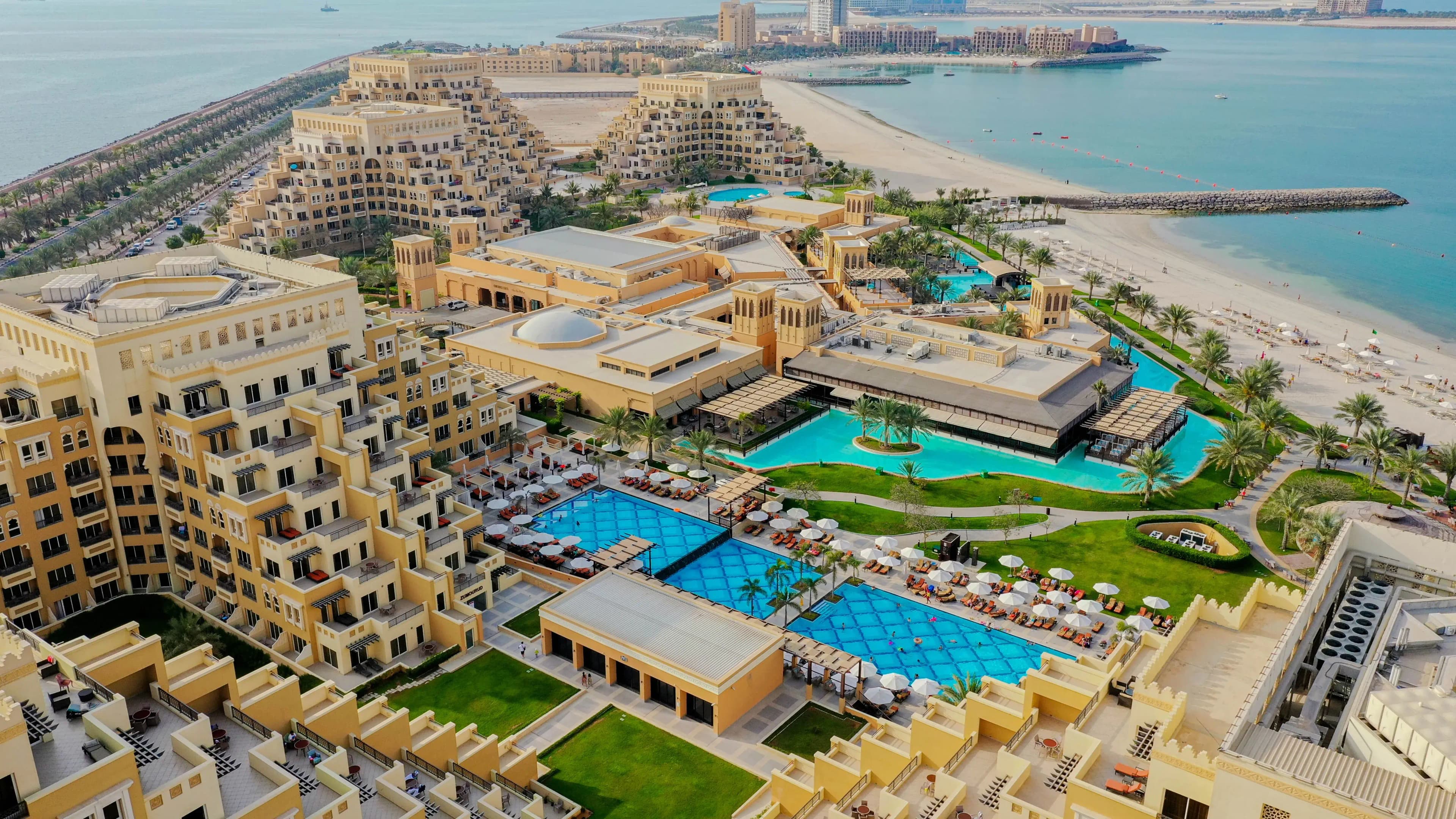
RAK Free Zones
RAKEZ operational zones and RAK ICC offshore registries
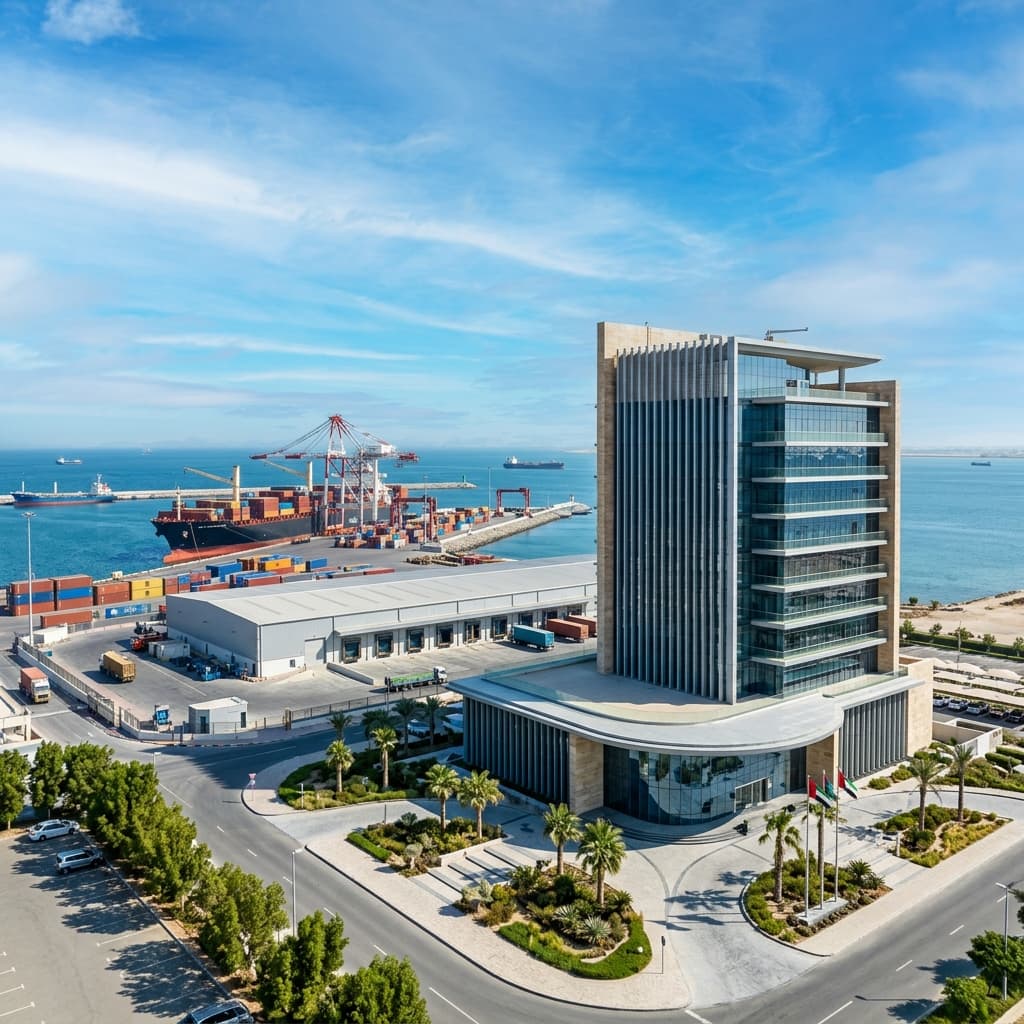
UAQ Free Zone
Umm Al Quwain Free Trade Zone (UAQ FTZ) setups

Fujairah Free Zone
Fujairah Free Zone Authority (FFZA) setups
UAE Free Zone Authorities
We handle direct incorporation, licensing registration, and corporate renewals across all major free zones in the UAE.















The UAE has over 45 active free zones - more than any other country in the world. Each one is a self-contained regulatory environment with its own licensing authority, activity list, fee structure, and industry focus. Set up in the right one and you get 100% foreign ownership, 0% corporate tax on qualifying income, full profit repatriation, and incorporation in as little as 3 working days. Set up in the wrong one and you're paying for infrastructure you don't need, in a zone your bank doesn't recognise, with activity restrictions you didn't anticipate.
The free zone decision is one of the most consequential choices in UAE company formation. It determines your tax position, your visa quota, your office costs, your banking options, and whether your structure actually supports the way your business operates.
PRO Hub has guided 3,000+ companies through UAE free zone registration across every emirate over 12+ years. This page gives you the framework to make the right decision - and the team to execute it.
What Is a UAE Free Zone?
A free zone (also written as freezones or free trade zone) is a designated geographic area within the UAE that operates under its own regulatory framework, separate from the UAE mainland licensing system. Each free zone is established by an emirate-level or federal authority and has its own:
- Licensing authority – the free zone authority issues trade licenses and certificates of incorporation, independently of the mainland DED or equivalent
- Activity list – permitted business activities, which vary significantly between zones
- Legal framework – most free zones operate under UAE federal law with zone-specific regulations; ADGM and DIFC operate under English common law with independent courts
- Fee schedule – setup costs, annual renewal fees, and office package pricing set by each zone independently
- Visa quota – the number of residence visas your entity can sponsor, typically tied to your office package
Free zones were established to attract foreign investment by offering conditions not available on the UAE mainland - historically, 100% foreign ownership and full profit repatriation. Since the 2021 UAE Commercial Companies Law amendments extended 100% foreign ownership to most mainland activities as well, the primary remaining advantages of free zones are the 0% corporate tax rate on qualifying income, faster and simpler incorporation, and lower setup costs for businesses that don't need direct UAE market access.
Key Benefits of UAE Free Zone Companies
- 100% foreign ownership – no UAE national partner required in any free zone
- 0% corporate tax on qualifying income – free zone entities that qualify as QFZPs under Federal Decree-Law No. 47 of 2022 pay zero corporate tax on qualifying income; the standard 9% rate applies to non-qualifying income and income above AED 375,000 from excluded activities
- Full profit and capital repatriation – no restrictions on transferring profits abroad
- No personal income tax – founders and employees keep 100% of earnings
- Fast incorporation – 3–7 working days for most standard applications; some zones as fast as 1–3 days
- Flexible physical presence – flexi-desk and virtual office options available across most zones; no requirement for large office space in the early stages
- Sector-specific ecosystems – co-location with relevant industry peers, regulators, investors, and talent
- Simplified compliance – free zone companies generally have lighter ongoing compliance requirements than mainland entities for comparable structures
Free Zone vs. Mainland – The Core Decision
Before choosing a free zone, you need to confirm that a free zone is the right jurisdiction type for your business. Here's the critical comparison:
| Feature | Free Zone | Mainland |
|---|---|---|
| Foreign ownership | 100% | 100% (most activities) |
| UAE market access | Via local distributor | Unrestricted |
| Government contracts | Limited | Yes |
| Corporate tax | 0% on qualifying income | 9% on taxable income above AED 375,000 |
| Office requirement | Flexi-desk available | Physical office (registered tenancy) required |
| Visa quota | Package-based | Based on office space |
| Incorporation speed | 3–7 working days | 2–4 weeks |
| Retail / consumer-facing | Not permitted | Yes |
| Best for | International trade, consulting, finance, tech, holding | UAE-facing trade, retail, government contracts |
Choose a free zone if:
- Your primary customers are outside the UAE
- You're structuring a holding company, IP vehicle, or investment entity
- You're a consultant, freelancer, or service business with international clients
- You want the 0% corporate tax rate on qualifying income
- You want fast, low-cost incorporation with minimal physical overhead
Choose mainland if:
- Your primary customers are UAE-based consumers or businesses
- You need to bid on UAE government or semi-government contracts
- You're operating a retail location, restaurant, or consumer-facing business
- Your business activity requires a physical presence across multiple UAE locations
Consider a dual-license structure if:
- You have both international and UAE-facing revenue streams
- You want free zone tax positioning alongside mainland commercial access
- Your business model will evolve from international to UAE-facing over time
PRO Hub advises on jurisdiction selection as the first step of every engagement - before any application is filed.
Understanding the 0% Corporate Tax Rate for Free Zones
This is the most misunderstood aspect of UAE free zone setup and it deserves a direct, accurate explanation.
Under the UAE Corporate Tax Law (Federal Decree-Law No. 47 of 2022), a free zone entity can qualify for a 0% corporate tax rate on its qualifying income if it meets the criteria for Qualifying Free Zone Person (QFZP) status.
To qualify as a QFZP, your entity must:
- Maintain adequate substance in the free zone - genuine office, employees, and core income-generating activities conducted within the zone
- Derive qualifying income - income from transactions with other free zone persons, certain international transactions, and other specified qualifying sources
- Not have elected to be subject to the standard corporate tax rate
- Meet the de minimis requirements - non-qualifying revenue must not exceed 5% of total revenue or AED 5 million, whichever is lower
- Prepare audited financial statements
Income that is NOT qualifying (taxed at 9%):
- Income from transactions with UAE mainland customers
- Income from certain excluded activities (banking, insurance, finance, leasing without specific conditions)
- Income that does not meet the qualifying income definition under the CT regulations
Practical implication: A free zone company that sells primarily to UAE mainland clients, or derives most of its revenue from excluded activities, will likely not qualify for the 0% rate on the bulk of its income. The 0% rate is genuinely valuable - but only for structures where the business model and income sources align with the QFZP criteria.
PRO Hub works with qualified UAE tax advisors who assess QFZP eligibility as part of the jurisdiction selection process. We do not assume the 0% rate applies to every free zone setup.
How to Choose the Right UAE Free Zone
With 45+ zones available, the right choice comes down to six factors. Work through these in order:
1. Do you actually need a free zone?
If your primary customers are UAE-based consumers, businesses, or government entities, you need mainland - not a free zone. Confirm your market and client base before shortlisting zones.
2. What is your industry?
Sector-specific zones exist for finance (DIFC, ADGM), media (DMC, twofour54), technology (DIC, DSO, SRTIP), logistics (JAFZA, KEZAD, SAIF Zone), industrial (HFZA, KEZAD, Al Ghail), and publishing (SFZA). If your industry has a dedicated zone, start there.
3. What is your budget?
Setup costs range from AED 5,000 (SHAMS, UAQ FTZ basic packages) to AED 50,000+ (DIFC regulated entities). Identify your budget ceiling before shortlisting. PRO Hub provides side-by-side cost comparisons for your shortlisted zones.
4. Do you need a physical office or industrial space?
If you need a warehouse, factory, or large office, shortlist industrial zones: KEZAD, JAFZA, HFZA, SAIF Zone, RAKEZ industrial clusters. If you're comfortable with a flexi-desk, virtually any zone works.
5. Do you need UAE residence visas?
All operational free zones issue visas - the quota depends on your office package. Offshore structures (RAK ICC, ADGM Offshore, JAFZA Offshore) do not. If visa eligibility for yourself or your team is a requirement, confirm it with your chosen zone before applying.
6. What are your banking requirements?
Some UAE banks are more familiar with certain free zone structures than others. Premium zones (DIFC, DMCC, ADGM) generally face fewer banking friction points. Newer or less well-known zones may require more documentation for account opening. PRO Hub advises on banking compatibility as part of the zone selection process.
Free Zone Setup Costs – UAE Overview
Costs across UAE free zones vary significantly. Here is a realistic overview by tier:
Entry-level (AED 3,999 – 12,000)
SHAMS, UAQ FTZ, AFZA, RAK ICC (offshore) - basic packages with flexi-desk or no physical presence, 0–2 visas. Best for solo founders, freelancers, early-stage businesses, and offshore holding structures.
Mid-range (AED 12,000 – 25,000)
RAKEZ, SAIF Zone, IFZA, twofour54, Masdar City, ADAFZ, Dubai South, Dubai Silicon Oasis - operational free zones with established infrastructure, broader activity lists, and more flexible visa packages. Best for SMEs and growing businesses.
Premium (AED 20,000 – 50,000+)
DIFC, DMCC, ADGM, KEZAD, JAFZA - premium zones with global brand recognition, extensive infrastructure, or large industrial capacity. Best for established businesses, financial services, large-scale industrial operations, and structures where zone prestige matters to counterparties.
* All costs exclude visa processing fees (AED 3,500–5,500 per visa) and any sector regulatory fees. PRO Hub provides zone-specific cost breakdowns before any commitment.
Step-by-Step Process – UAE Free Zone Company Registration
Regardless of which free zone you choose, the registration process follows a consistent core sequence:
Jurisdiction and Zone Selection
Confirm free zone vs. mainland vs. offshore. Select the zone that matches your industry, budget, visa needs, and banking requirements. PRO Hub advises on this before any application is filed.
Activity and Structure Confirmation
Confirm your intended business activity is permitted in your chosen zone. Select FZE (single shareholder) or FZC (multiple shareholders). PRO Hub verifies the activity before submission.
Trade Name Reservation
Submit preferred trade name(s) to the free zone authority. Compliance with UAE naming conventions required across all zones.
Document Preparation
Compile passport copies, address proof, NOC (if on UAE employment visa), and any additional documents required by the specific zone or activity. PRO Hub prepares the full document checklist for your zone.
Application Submission and Initial Approval
Submit application through the free zone's portal. PRO Hub manages the full submission. Initial approval typically issued within 1–5 working days depending on the zone.
Fee Payment and Office Agreement
Pay license, registration, and office package fees. Execute flexi-desk, office, or industrial unit agreement.
License and Incorporation Certificate Issuance
Free zone issues trade license and certificate of incorporation. You are now legally authorised to operate.
Post-Incorporation Setup
Establishment card (ICP), corporate bank account opening, and employee visa processing. PRO Hub manages all post-incorporation steps end-to-end.
Documents Required - Standard Across All Free Zones
- Passport copies of all shareholders and directors
- Passport-size photographs of all shareholders and directors
- Proof of residential address (utility bill or bank statement, dated within 3 months)
- No Objection Certificate (NOC) if any shareholder holds an active UAE employment visa
- Emirates ID copy (for UAE residents)
- Proposed trade name options
Additional documents for corporate shareholders: attested Certificate of Incorporation, Articles of Association, Board Resolution authorizing the UAE entity, and shareholder register - with UAE Embassy attestation and MoFA authentication for foreign company documents.
Additional documents for regulated activities: business plan, CVs, professional qualifications, and sector authority applications as required by the specific zone and activity.
Why Choose PRO Hub for Your UAE Free Zone Setup?
Every UAE free zone is a separate authority - separate portal, separate document checklist, separate fee schedule, separate processing team. Navigating 45+ options, identifying the right one for your specific situation, submitting correctly the first time, and managing the banking and visa steps in parallel is where the process breaks down for businesses doing it without support.
- 12+ Years of Experience – established working relationships with free zone authorities across all seven UAE emirates; current requirements, not last year's
- Zone-Neutral Advice – we recommend the zone that suits your business model, budget, and banking needs; not the zone with the highest referral incentive for us
- One Dedicated Manager – from initial consultation through to license issuance and post-incorporation; no call centres, no re-explaining your structure to different people
- All 45+ Zones Covered – DIFC to UAQ FTZ, ADGM to RAK ICC; we work across the full spectrum
- Zero Hidden Costs – full fee breakdown before you commit, covering government charges, office package costs, visa fees, and our service fee
- 3,000+ Companies Set Up – proven track record across every emirate, every zone type, and every industry
- End-to-End Service – free zone incorporation, visa processing, bank account introduction, PRO services, and ongoing annual renewals under one roof
Frequently Asked Questions
Everything you need to know about setting up your business in the UAE.
Ready to Start Your
Business Journey?
Join over 3,000+ successful companies who chose PRO Hub for their UAE empire. Zero hidden costs, 100% transparency.